Bed bugs are small, blood-feeding insects that hide in mattresses, furniture and cracks, and come out at night to bite. After almost disappearing in the mid-20th century they are common again worldwide, carried between homes, hotels and hostels in luggage, used furniture and clothing. This guide explains how to identify bed bugs, what their bites look like, how to check your home and which treatments actually work.
What are bed bugs?
Bed bugs belong to the family Cimicidae. The species that lives with people is Cimex lectularius, the common bed bug. They feed only on the blood of warm-blooded animals and prefer humans. Closely related bat bugs and swallow bugs look almost the same but live with bats and birds, so a correct identification matters: if the source is a bat roost or bird nest in the roof, that has to be dealt with first.
How to identify bed bugs
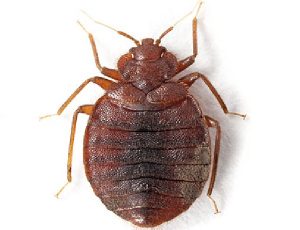
- Size and shape: adults are about 5 mm long (the size of an apple seed), oval and flat before feeding, swollen and longer after a meal.
- Colour: reddish-brown adults; young bugs (nymphs) are small and pale, and look like tiny drops of blood after feeding.
- No wings: bed bugs cannot fly or jump; they crawl.
- Smell: heavy infestations give off a musty, sweetish odour.
If you find an insect you think is a bed bug, keep it in a sealed bag or jar so a professional can confirm it.
Bed bug bites and health effects
Bed bugs usually feed in the early hours before dawn. The bite itself is painless because their saliva contains an anaesthetic and an anticoagulant, so most people only notice red, itchy welts hours later, often in a line or cluster on the arms, neck, face or legs. Some people have no reaction at all, which lets an infestation grow unnoticed.
Bed bugs are not known to spread disease. The real problems are itching, allergic reactions, skin infections from scratching, lost sleep and stress. Anyone with a severe reaction should see a doctor.
Life cycle and habits
A female lays one to five eggs a day and 200 or more in her lifetime, tucked into cracks, seams and rough surfaces. Nymphs moult five times and need a blood meal before each moult; in warm conditions they become adults in six to seven weeks. Adults can survive for months without feeding, which is why an empty room is not a cure.
During the day bed bugs hide close to where people sleep: mattress seams and piping, box springs, bed frames and headboards, sofa joints, behind skirting boards and picture frames, in loose wallpaper and electrical sockets. In heavy infestations they spread to other rooms.
Signs of a bed bug infestation
- Small rust-red or blood spots on sheets and pillowcases
- Black or brown dots (droppings) along mattress seams and bed joints
- Pale shed skins and tiny white eggs in cracks
- Live bugs in mattress seams, especially near the head of the bed
- New itchy bites in the morning
How to prevent bed bugs
- Inspect hotel and guest-house beds before unpacking, and keep luggage off the bed and floor.
- Wash travel clothes on a hot cycle and dry on high heat when you get home.
- Check second-hand furniture and mattresses carefully before bringing them inside.
- Change and wash bed and sofa covers regularly, and vacuum the bedroom often.
- Use zipped bed-bug-proof mattress encasements and seal cracks near the bed.
How to get rid of bed bugs
Bed bugs are hard to eliminate with shop sprays alone because they hide in so many places and their eggs survive many treatments. Effective control combines several steps:
- Inspect and confirm the species and how far the infestation has spread.
- Clean and declutter: wash bedding and clothes at high temperature, vacuum mattresses, bed frames, sofas and carpets, then seal the vacuum contents in a plastic bag and bin it outside.
- Use heat or steam on mattress seams, furniture joints and other hiding places.
- Apply a targeted crack-and-crevice treatment with a product labelled for bed bugs, taking extra care in rooms used by children, the elderly or anyone unwell.
- Follow up with a second treatment after about two weeks to catch newly hatched nymphs.
Your pest control technician will give you a preparation checklist before treatment. Following it closely makes the treatment far more effective.
Professional bed bug control in Islamabad and Peshawar
Safe Home Pest Management treats bed bugs in homes, hostels, hotels and hospitals across Islamabad, Rawalpindi, Wah, Peshawar and Mardan. See our household pest control service and pest control for hospitals and clinics, or contact us and call +92 300 2622226 to book an inspection.